5 Myths About Breastfeeding

For new or expecting moms, making sense of all the advice about breastfeeding can be a challenge. Rumours, myths, and misconceptions often circulate, creating unnecessary confusion. Today, we'll debunk five common myths about breastfeeding and replace them with science-backed facts.
Myth 1: "If your breasts are small, you won't produce enough milk."
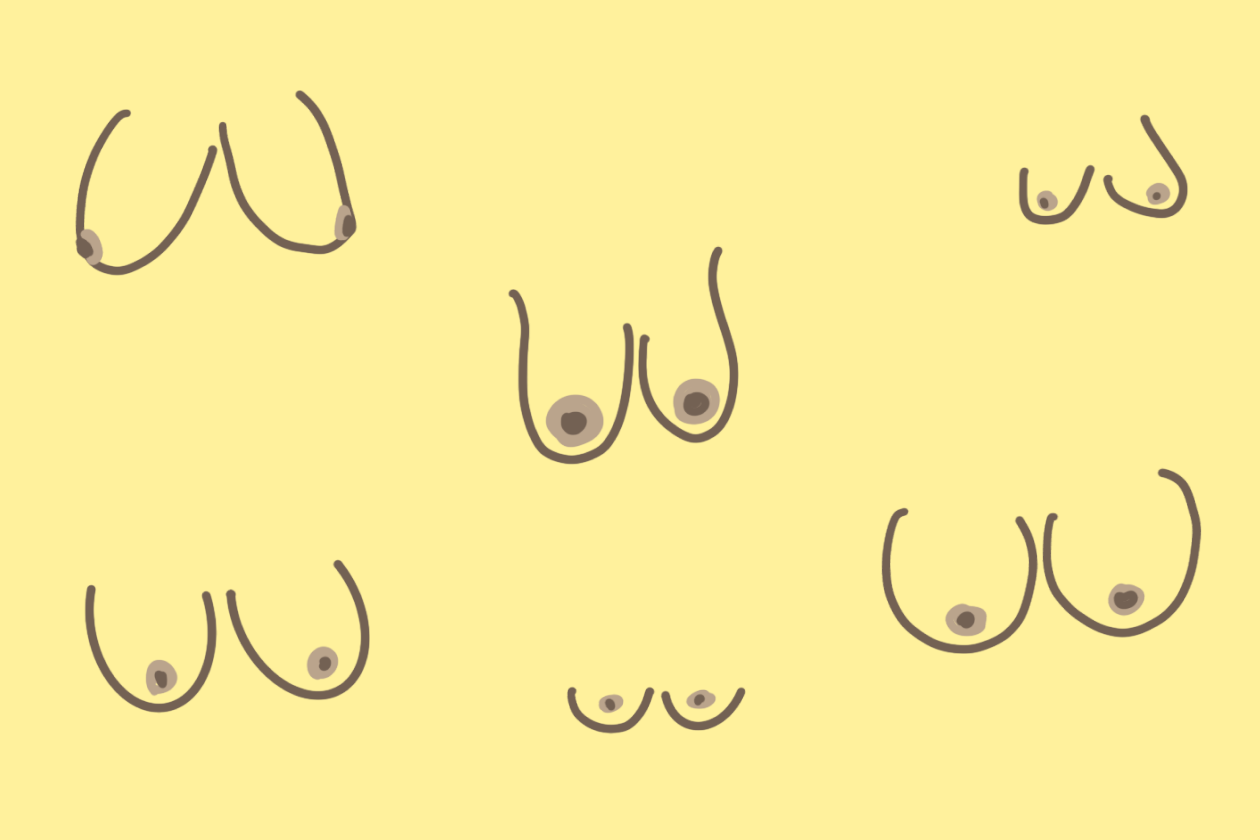
Fact: The size of your breasts doesn't determine your milk production capacity. The breast size is mainly influenced by the amount of fatty tissue, which doesn't contribute to milk production. It's the glandular tissue that produces milk and this doesn't correlate with breast size. Moreover, the breast size indicates storage capacity of milk and during pregnancy, your breast size will likely increase to accommodate for temporary storage of breastmilk before feeding.
Myth 2: " Massaging Breasts towards the end of your breastfeeding journey can help Drain excess breastmilk and lift the breasts."
Fact: There is no need to perform any additional actions to remove breastmilk from your body towards the end of your breastfeeding journey. As long as the baby is fed, the hormones that trigger breastmilk production will continue to do so under the surveillance of a positive feedback loop. When the baby is no longer being fed, the breasts stop milk production from anywhere between a few days to a few weeks depending on the body.
In fact, when you massage, you just increase inflammatory fluid surrounding the ducts of your breast tissue which can in turn cause capillary injury and resulting narrowing of these ducts, which is not healthy.
Myth 3: "Breastfeeding makes your breasts sag."
Fact: It's pregnancy, not breastfeeding, that might cause changes in the shape of your breasts. A 2008 study in the "Aesthetic Surgery Journal" found no difference in breast sagging between mothers who breastfed and those who did not.
The factors that were associated with the sagging of breasts included age, high body mass index, large pre-pregnancy bra size, number of pregnancies, and smoking.
Myth 4: “Breastfeeding mothers need to follow a strict diet”.
Fact: Breastfeeding mothers do not need to follow a strict diet, but they should eat a healthy diet to ensure that they are getting the nutrients they need to produce breast milk. While breastfeeding, the requirement for caloric intake (~500 calories), calcium for breastmilk and Vitamins C, D and A, increase significantly so eating a balanced diet that accommodates these needs should do the magic!
Myth 5: “Breastfeeding mothers cannot get pregnant”
Fact: Breastfeeding can act as a natural form of birth control, but it is not 100% effective and should not be relied upon as the sole form of contraception. Breastfeeding mothers can still ovulate and become pregnant even if the menstrual cycle hasn’t returned to normal, so it is important to use additional forms of contraception if they do not wish to become pregnant.
The period of time between childbirth and the menstrual cycle returning, fluctuates among different women, regardless of whether or not they are breastfeeding. Because of this, ovulation can occur unknowingly and if the released egg is fertilised, a pregnancy could occur.
Breastfeeding is a personal choice and can be influenced by various factors. It's essential to make an informed decision, and debunking these myths can help. Remember, there's no 'one size fits all' in motherhood, and what matters most is a healthy and happy mother and baby.