Busting 6 Pregnancy Lifestyle Myths

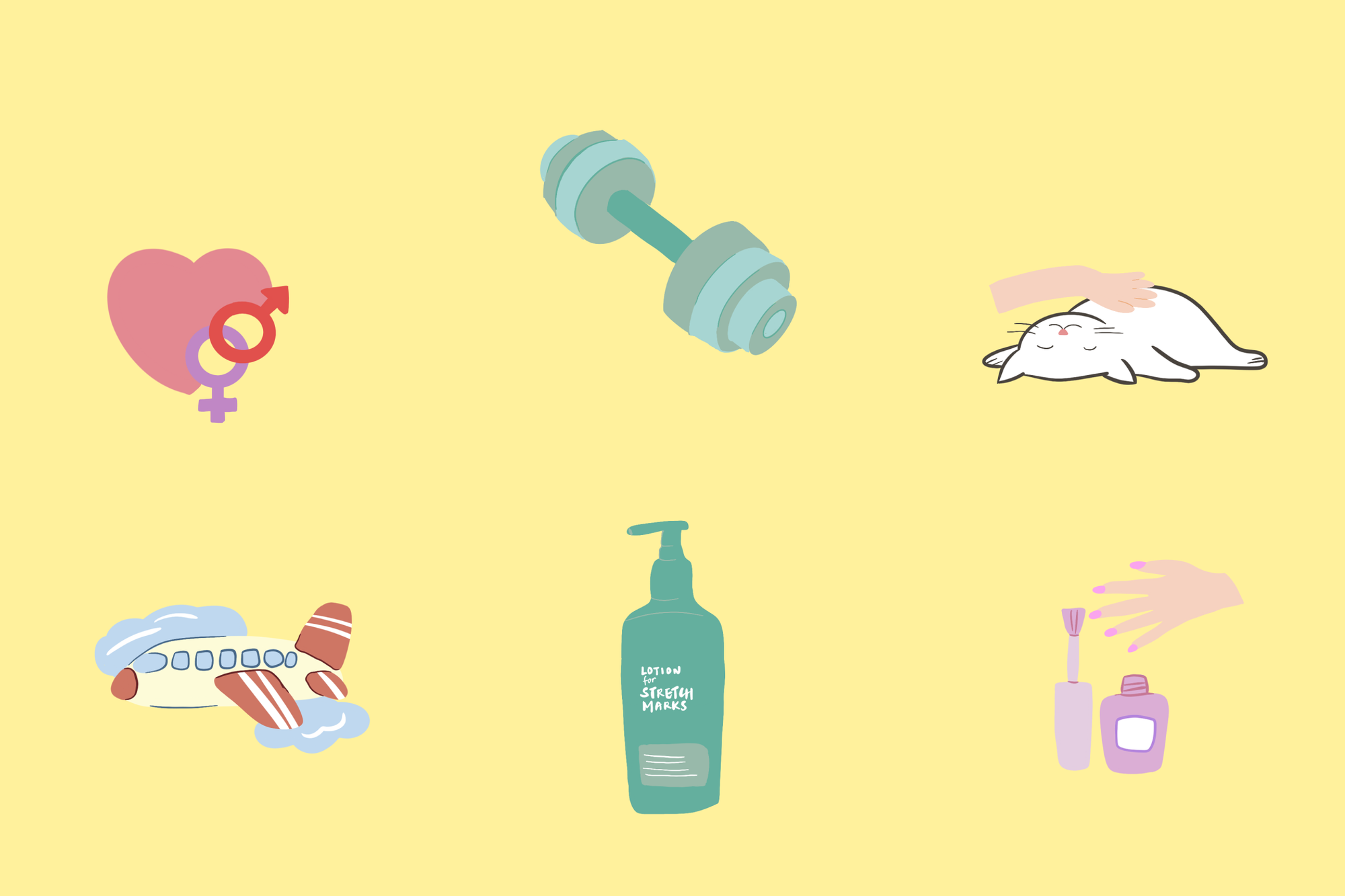
Finding out you are pregnant is life-changing! While it’s necessary to make many lifestyle changes to ensure the health of the mother and the baby, there are also many myths on what you can and cannot during pregnancy. Today, let’s address some common myths about the pregnancy lifestyle.
Myth 1: Sex during pregnancy can be harmful for the fetus
During penetrative sex, the penis does not make contact with the baby – the baby is well protected by the uterine walls as well as the amniotic sac. Sex does not harm the baby. So it is safe to continue your regular sex life during pregnancy, unless your doctor/midwife has told you otherwise. Sex can help in reducing stress levels, improving sleep quality, and strengthening the bond between partners.
Myth 2: Exercising when pregnant can hurt the baby!
It is true you shouldn’t start any rigorous exercise routine during your pregnancy, but it is safe to keep up with most of your regular physical activities (walking, running, yoga, swimming etc.). Exercise during pregnancy is beneficial in reducing backaches, reducing the chance of gestational diabetes, and improving your energy and mood.
Exercise you want to avoid during pregnancy are those that pose fall risk, potential abdominal trauma (contact sports) and excessive bouncing and hopping. It is also crucial to avoid overheating when exercising.
Myth 3: Air travel during pregnancy increases the risk of complications
A study by the American Journal of Obstetrics and Gynecology released a study proving that it is safe for pregnant women to fly during uncomplicated pregnancy. No abnormal heart rates or significant heart rate variability was observed.
However, some international airlines may restrict travel after 28 weeks, so it is best to look up the airline’s policy on pregnant passengers before booking your tickets.
Myth 4: No manicures, pedicures or dyed hair!
Acetone is a solvent used for removing nail polish which can be harmful when absorbed by the skin of the pregnant mother and reaches the fetus. Similarly, ammonia and formaldehyde compounds from hair dye is considered to be harmful too.
While it is true that these chemicals can be harmful, the amount of exposure to these chemicals during these procedures is minimal and unlikely to cause harm to the baby. Moreover, the mother’s liver works hard at breaking down all toxins in the blood stream eliminating them before they can reach the fetus. Using ammonia-free hair products and washing hands/feet thoroughly after getting a manicure or pedicure can help minimize the chemical exposure even further.
Myth 5: No petting cats when pregnant
Petting cats is said to be off limits during pregnancy as they are a common carrier of parasitic infections that can infect the mother which results in preterm birth or even a stillbirth.
While it is true that cats’ feces can carry a parasite which can cause a severe infection called toxoplasmosis, it is very rare. Cats get toxoplasmosis by eating infected rodents or other small animals, so domestic cats that don’t hunt are unlikely to be infected. The risk of contracting toxoplasmosis from cats can also be significantly reduced by practicing proper hygiene and avoiding direct contact with their faeces. Translation: avoid changing the cats’ litter box.
Myth 6: Serums, oils and creams can prevent stretch marks caused by pregnancy
Stretch marks develop due to strain on the collagen and elastin fibres when our skin stretches or shrinks quickly. This strain forms a scar when the fibres rupture and as the skin heals, stretch marks appear on the surface of the skin.
Stretch marks depend on the mother’s genes and the skin’s stretchability. So while using creams and serums moisturize the skin and improve elasticity, they cannot completely prevent stretch marks. In our opinion, stretch marks formed during pregnancy are a beautiful sign of harbouring life within a woman’s body! It only adds to the beauty of the mother.
When in doubt, it is always best to consult your OBGYN or midwife. May you have a smooth pregnancy!